


Why Intake Ventilation Matters for Michigan Homes
A recent YouTube Shorts clip filmed in Troy, Michigan, delivers an important message for homeowners: poor intake ventilation can quickly lead to serious attic problems, including mold and wood decay. For many homeowners across Southeast Michigan, issues with attic airflow often go unnoticed until they result in costly repairs and diminished home comfort. Understanding why intake ventilation matters is essential for protecting your investment and maintaining a healthy home environment.
What Intake Ventilation Is and How It Works
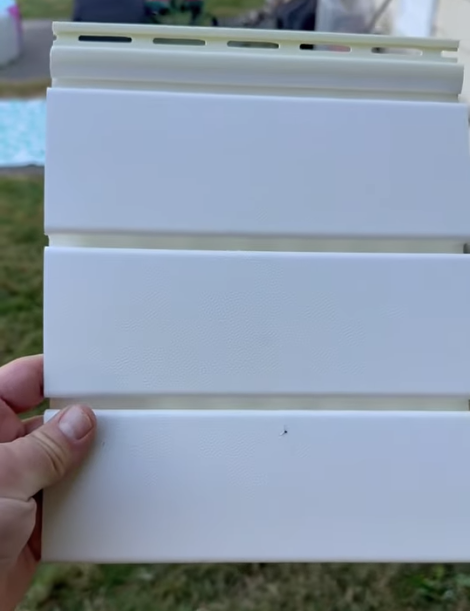
Intake ventilation refers to the openings that allow fresh outside air to enter your attic space. These vents are typically located along the soffits, which are the undersides of your roof’s eaves. Intake vents work in tandem with exhaust vents at or near the roof ridge to create a balanced airflow system. This continuous exchange of air helps regulate temperature, reduce moisture buildup, and prevent the problems that can arise when attic air becomes stagnant.
When your intake and exhaust ventilation system is functioning properly, it ensures that warm, humid air can escape, while fresh air enters the attic space. This not only protects your roof from heat and moisture damage, but it also helps your home’s heating and cooling systems operate more efficiently. Without adequate intake ventilation, attics can become hot and damp, creating the perfect conditions for mold, mildew, and wood rot to develop. In severe cases, this can compromise the structural integrity of your roof and lead to significant repair costs.
Why Intake Ventilation Matters in Michigan
Michigan’s unique climate makes proper intake ventilation especially important. During hot and humid summers, attics can trap extreme heat, forcing air conditioning systems to work overtime. This increases energy consumption and utility bills while making living spaces less comfortable. In the winter, snow and ice can cause condensation in poorly ventilated attics, which can lead to mold growth and ice dams that damage shingles and gutters.
Intake ventilation helps to moderate these temperature swings by allowing fresh air to flow into the attic and balance the temperature. When combined with exhaust ventilation, this airflow removes excess heat and moisture, protecting shingles, underlayment, insulation, and wooden structures from premature deterioration. Proper intake ventilation not only safeguards your roof but also contributes to a healthier indoor environment by reducing the risk of mold spores circulating throughout the home.
Signs Your Home May Lack Proper Intake Ventilation
Homeowners can look for several warning signs that intake ventilation may be insufficient. Common indicators include:
-
Musty odors or visible mold growth in the attic
-
Dark streaks or stains on the underside of roof sheathing
-
Damp, compressed, or warped insulation
-
Warping or cracking of wooden rafters or beams
-
Higher energy bills due to the HVAC system working harder than usual
If you notice any of these symptoms, it is crucial to address the problem quickly. Ignoring ventilation issues can lead to escalating costs and more extensive repairs down the line.
Solutions for Improving Intake Ventilation
The most common solution for improving attic airflow is installing or upgrading soffit vents. These vents allow fresh air to enter at the lower portion of the roof, creating a pathway for warm air to escape through ridge or exhaust vents at the top. For homes that do not have traditional eaves, alternative intake vent options, such as shingle-over vents or roof-mounted intake systems, can be installed.
It is important to remember that intake ventilation must always work in harmony with exhaust ventilation. Simply adding intake vents without proper exhaust can disrupt airflow and fail to resolve moisture or heat problems. A professional roofing contractor can evaluate your attic, determine the best intake and exhaust balance, and recommend the appropriate ventilation solutions for your Michigan home.
Long-Term Benefits of Proper Intake Ventilation
Installing adequate intake ventilation provides several long-term benefits. First, it helps prevent mold growth and moisture-related damage, which protects both your roof structure and the indoor air quality of your home. Second, it prolongs the life of your roofing materials, reducing the need for premature repairs or replacements. Third, it improves energy efficiency by keeping your attic cooler in the summer and reducing strain on heating and cooling systems. Finally, well-maintained ventilation enhances comfort throughout your home, creating a safer and healthier living environment for your family.
Final Thoughts on Why Intake Ventilation Matters
The YouTube video filmed in Troy, Michigan, highlights a simple but critical truth: proper intake ventilation is not optional. It is a key component of any healthy roofing system. Homeowners across Detroit, Royal Oak, Troy, Canton, and the broader Metro Detroit area should treat attic airflow as a priority in routine home maintenance. By understanding why intake ventilation matters and addressing deficiencies early, you can protect your home from mold, preserve the longevity of your roof, and ensure better energy efficiency and indoor comfort for years to come.
Taking action now can save you money and prevent headaches in the future. Schedule a professional attic inspection to assess your current ventilation system. By doing so, you are investing in your home’s long-term performance, safety, and comfort, while ensuring that your roof continues to protect your family through Michigan’s extreme seasonal conditions.
Reach out to us here for a free estimate and inspection
@level_up_improvement Poor intake ventilation = attic mold – Troy, Michigan Most homeowners don’t realize this little detail could be causing MAJOR problems in your attic. Without proper intake ventilation, moisture gets trapped… and that’s when MOLD takes over. You might not see it down here, but up there? It’s a health hazard AND a home value killer. 💸 The fix: keep your soffit vents clear, make sure air flows in, and pair it with proper roof exhaust. Ventilation = prevention.
♬ original sound – Level Up Improvement – Level Up Improvement