


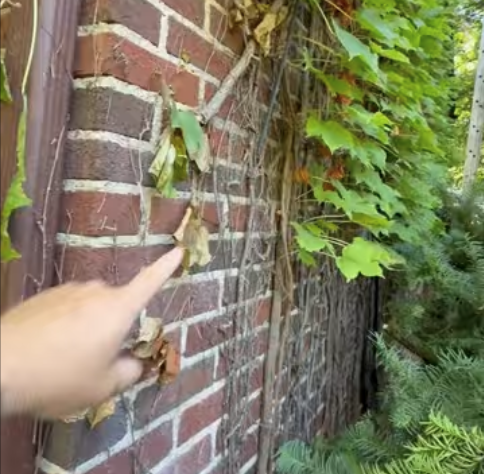
Ivy Growing on Brick in Ferndale, MI: Why It’s a Bigger Problem Than You Think
Ferndale, Michigan, is well known for its charming, historic homes and unique neighborhoods. Many houses feature beautiful brick exteriors that give the city its distinct character and old-world appeal. It’s easy to see why ivy growing on brick might seem like an attractive addition—its lush greenery can make a home feel timeless, quaint, and even picturesque.
However, while ivy may look beautiful, it can be extremely damaging to brick homes over time. Homeowners in Ferndale often underestimate how much harm ivy can cause to mortar, brick, and even the structural integrity of a home. With Michigan’s climate—characterized by wet springs, humid summers, and freezing winters—ivy growing on brick can quickly turn from a harmless decoration into a serious maintenance problem.
In this guide, we’ll explain why ivy growing on brick is a concern, how it affects your home, the hidden dangers of letting it persist, and the best ways to remove and prevent it for a safer, longer-lasting exterior.
Why Ivy Growing on Brick Is Risky
At first glance, ivy seems harmless, but the plant has unique physical characteristics that can harm masonry over time. Ivy attaches itself to walls using small root-like structures called holdfasts, which dig into brick pores and mortar joints to anchor the plant. This gripping mechanism is excellent for the plant’s survival, but for your home, it can have serious consequences.
Loosening Mortar and Weakening Walls
Ivy growing on brick can gradually loosen mortar joints. Mortar is the bonding material that holds bricks together, and when it becomes weakened, the structural integrity of your walls is compromised. Over time, tiny cracks form, allowing water to seep in. In Ferndale, where temperatures frequently dip below freezing during the winter, water trapped in mortar can freeze and expand. This freeze-thaw cycle accelerates the deterioration of mortar, leading to crumbling walls, gaps in the structure, and ultimately, costly repairs.
Trapping Moisture
One of the most dangerous aspects of ivy growing on brick is moisture retention. Ivy leaves create a dense cover over the wall, which can prevent the brick from drying properly after rain or snow. When brick stays damp for prolonged periods, it becomes more susceptible to mold, mildew, and even frost damage. In Michigan’s humid summers, excess moisture can also encourage moss growth, further compromising the appearance and durability of your brick exterior.
Breaking Down Brick Surfaces
Older homes in Ferndale often feature softer brick that is more porous than modern masonry. When ivy holds moisture against this type of brick, it can cause surfaces to deteriorate, flake, or spall. Over time, the combination of moisture, ivy holdfasts, and freeze-thaw cycles can result in visible damage, such as cracking bricks, gaps, and crumbling facades.
Pests and Hidden Dangers
Ivy growing on brick doesn’t just harm your walls—it can also create opportunities for pests to invade your home. The thick coverage provided by ivy leaves is a perfect shelter for insects such as ants, spiders, and beetles. Over time, small rodents may also find their way into the ivy’s root network and gain access to cracks in the brick or mortar, giving them an entry point into your home.
By allowing ivy to grow unchecked, homeowners inadvertently create a habitat for pests, which can lead to infestations inside the home and additional maintenance headaches.
Signs Ivy Growing on Brick Is Causing Damage
Knowing when ivy is becoming a problem is critical. Here are some warning signs Ferndale homeowners should watch for:
-
Crumbling mortar: Mortar joints may look cracked, loose, or powdery.
-
Cracked or chipped brick: The brick surface may show signs of spalling or flaking.
-
Persistent moisture: Walls may remain damp even after dry weather.
-
Mold or mildew: Black or green staining on brick can indicate trapped moisture.
-
Pests: Increased insect activity around the walls or small rodent sightings near the ivy.
If you notice any of these signs, it’s time to take action to protect your home.
Removing Ivy Growing on Brick Safely
While it may be tempting to pull ivy off quickly, this can do more damage than leaving it in place. Ivy holdfasts cling tightly to mortar and brick, so pulling too aggressively can dislodge mortar, break brick surfaces, and cause additional structural problems.
Step 1: Manual Removal
Start by carefully cutting the main vines at the base of the plant. This will stop further growth and allow the existing ivy to die off. Let the vines dry naturally over several weeks, which makes them easier to remove gently.
Step 2: Gradual Detachment
Once the ivy is dry, slowly peel it from the wall. Use a soft brush or hand tools to remove remaining roots and debris from the brick surface. Avoid prying aggressively with metal tools, as this can damage the mortar.
Step 3: Inspect Mortar and Brick
After removal, inspect the brick and mortar for damage. Look for cracks, gaps, or areas where mortar has crumbled. In many cases, tuckpointing may be necessary to restore weakened joints and reinforce the structure.
Step 4: Clean the Wall
Use a low-pressure wash or gentle scrub with water and mild detergent to remove leftover dirt, moss, or mildew. Avoid high-pressure washers, which can erode brick surfaces, especially on older homes.
Preventing Future Ivy Growth
Once your brick walls are clear of ivy, it’s important to prevent regrowth. Some strategies include:
-
Barrier planting: Avoid planting ivy near brick walls. Choose low-maintenance ground covers instead.
-
Regular inspection: Check walls at least once a year for small shoots or vines. Early removal prevents larger infestations.
-
Seal cracks: Ensure mortar joints are well-sealed and brick surfaces are protected with water-repellent sealers appropriate for historic masonry.
By taking these steps, Ferndale homeowners can preserve the beauty of their brick exteriors without sacrificing structural integrity.
Why Ferndale Homeowners Should Act Quickly
In Ferndale, where many homes are decades old and feature classic brick facades, ivy growing on brick may seem harmless—but it’s far from it. The combination of Michigan’s freeze-thaw cycles, wet winters, humid summers, and aging masonry creates the perfect conditions for ivy to cause serious damage.
Addressing the problem early saves money and preserves the beauty of your home. Left unchecked, ivy can lead to extensive brick damage, crumbling mortar, and costly repairs. It can also create moisture and pest issues that extend beyond the walls into your home’s interior.
Professional Help in Ferndale, MI
Removing ivy and repairing brick is a delicate process that benefits from professional expertise. Skilled contractors can safely remove ivy, repair mortar through tuckpointing, and ensure brick walls are properly sealed and maintained.
Working with local experts is especially important in Ferndale because:
-
Knowledge of local climate challenges: Contractors understand how Michigan weather affects masonry and ivy growth.
-
Experience with historic homes: Older homes require care to preserve architectural details while preventing damage.
-
Proper tools and techniques: Professionals use methods that prevent further damage to brick and mortar.
Conclusion
While ivy growing on brick may look charming, it’s one of the most underestimated threats to the structural integrity of Ferndale homes. From loosening mortar and trapping moisture to attracting pests, the risks are real—and they’re magnified by Michigan’s climate.
If your home has ivy on its brick walls, don’t wait until damage becomes visible. Carefully removing ivy, inspecting mortar, and making necessary repairs can protect your home for years to come. For many Ferndale homeowners, working with a local, experienced contractor ensures that ivy removal is safe, effective, and long-lasting.
Protect your home’s beauty and structure—address ivy growing on brick today to prevent costly repairs tomorrow.
Final Thoughts
While ivy may look charming, it’s one of the fastest ways to shorten the life of your brick. Protect your Ferndale home’s curb appeal, structure, and value by keeping your exterior walls free from ivy growth.
📞 Call us today: 313-287-9525
🌐 Visit us: https://levelupimprovement.com
📲 Follow us on TikTok: @level_up_improvement
@level_up_improvement Don’t let this grow on your house! In Ferndale, MI, I’m showing ivy growing on a brick house. While ivy might look like it adds charm and character, in reality it destroys everything it grows on because of its aggressive root system. Over time, ivy damages brick, mortar, siding, and even roofs. Homeowners should avoid letting ivy grow unchecked. At Level Up Improvement, we specialize in protecting and restoring homes with roofing, siding, windows, insulation, and mold remediation. Trust our CertainTeed Select Certified roofers and Mastic siding installers to safeguard your home properly. 📞 Call us today: 313-287-9525 🌐 Visit us: https://levelupimprovement.com 📲 Follow us on TikTok: @level_up_improvement FerndaleMI IvyOnBrick HomeMaintenance RoofingMichigan LevelUpImprovement SidingContractor Roofing CertainTeed MasticSiding DetroitRoofing MichiganHomes
♬ original sound – Level Up Improvement – Level Up Improvement
#FerndaleMI #IvyOnBrick #HomeMaintenance #RoofingMichigan #LevelUpImprovement #SidingContractor #Roofing #CertainTeed #MasticSiding #DetroitRoofing #MichiganHomes