


Roof Flashing Explained: Chimney Flashing, Wall Flashing, Headwall Flashing, and Why Kick Out Flashing Matters
When homeowners think about their roof, they usually focus on the shingles. While shingles are important, they are not the part of the roof that prevents most leaks. In many cases, leaks happen where the roof meets another surface, such as a chimney, wall, or dormer.
That is where flashing comes in.
Roof flashing is a thin metal material installed at transitions and penetrations throughout a roofing system. Its job is to direct water away from vulnerable areas and safely back onto the roof surface where it can drain properly.
A roof can have the best shingles on the market, but if the flashing is installed incorrectly, water will eventually find its way inside.
Let’s take a look at the most important types of roof flashing and why they matter.
What Is Roof Flashing?
Flashing is typically made from aluminum, galvanized steel, copper, or another corrosion-resistant metal. It is installed anywhere water could potentially enter the home.
The purpose of flashing is simple: create a waterproof transition between different building materials and direct water away from openings.
Common locations where flashing is used include:
- Chimneys
- Roof-to-wall intersections
- Dormers
- Skylights
- Plumbing vents
- Roof valleys
- Sidewalls
- Headwalls
When installed properly, flashing works alongside your shingles and underlayment to create a complete roofing system.
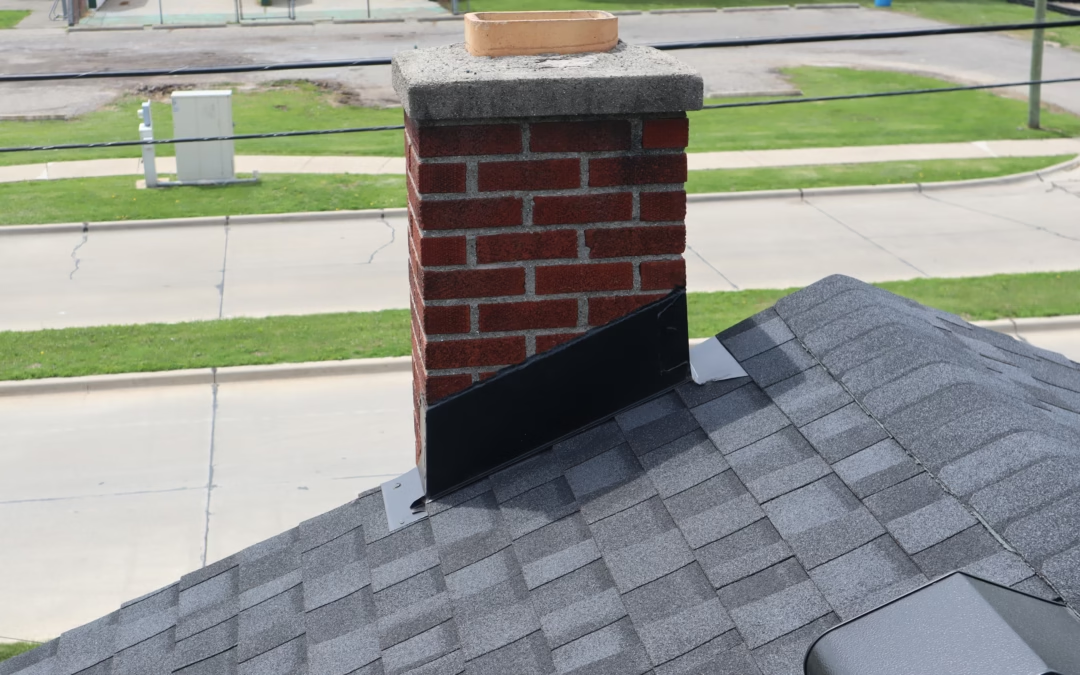
Chimney Flashing
One of the most critical flashing details on any roof is chimney flashing.
A chimney creates a large interruption in the roof system. Water flowing down the roof must be redirected around the chimney without allowing moisture to enter the home.
Proper chimney flashing consists of several components working together:
Step Flashing
Step flashing is installed along the sides of the chimney. Individual pieces of metal are woven between each course of shingles and bent against the chimney wall.
This creates multiple layers of protection and allows water to safely flow down the roof.
Apron Flashing
Apron flashing is installed on the downhill side of the chimney. It directs water away from the front of the chimney and back onto the roof surface.
Back Pan Flashing
The uphill side of the chimney requires special protection because water naturally collects behind it.
Back pan flashing helps divert water around the chimney and prevents water from pooling behind the structure.
Counter Flashing
Counter flashing is embedded into the chimney mortar joints and covers the top edge of the step flashing.
This prevents water from getting behind the flashing system and entering the home.
Unfortunately, many roofing leaks occur because a previous contractor tried to seal around a chimney with caulk instead of installing proper flashing. Caulk eventually fails. Proper metal flashing is the long-term solution.
Wall Flashing
Wall flashing is used whenever a roof meets a vertical wall.
These areas are common on additions, second-story walls, dormers, and other architectural features.
Without proper wall flashing, water can run behind the siding and enter the home.
Wall flashing typically includes step flashing installed with each shingle course and integrated behind the wall’s weather-resistant barrier.
When siding is installed over flashing correctly, water is directed onto the roof rather than behind the wall system.
This detail is especially important in Michigan, where heavy rain, snow, and ice can put extra stress on roof-to-wall transitions.
Apron Flashing (Headwall Flashing)
Headwall flashing, often called apron flashing, is installed where the top of a roof section meets a vertical wall.
A common example is where a porch roof connects to the side of a house.
Because water runs directly toward this intersection, headwall flashing plays a major role in preventing leaks.
The flashing extends behind the siding and over the roofing materials, creating a watertight barrier.
Improperly installed headwall flashing often causes leaks that homeowners mistake for roof shingle problems. In reality, the shingles may be perfectly fine while the flashing detail is failing.
What Is Kick Out Flashing?
One of the most overlooked pieces of flashing on a home is kick out flashing.
Many homeowners have never heard of it, and unfortunately, many contractors skip it altogether.
Kick out flashing is installed at the bottom of a roof-to-wall intersection where the wall meets the gutter system.
Its job is to “kick” water away from the wall and direct it into the gutter.
Without kick out flashing, water running down the roof can flow behind the siding instead of into the gutter.
Over time, this can lead to:
- Rotten sheathing
- Mold growth
- Damaged framing
- Interior water stains
- Siding deterioration
- Structural repairs
We often discover significant wood rot during siding replacement projects because a kick out flashing was never installed.
The damage can remain hidden for years before becoming visible.
Why Kick Out Flashing Is So Important
Imagine thousands of gallons of water flowing down the same corner of your house every year.
If that water misses the gutter and continually runs behind the siding, it can slowly destroy the wall assembly from the inside out.
A properly installed kick out flashing creates a simple but highly effective path for water to enter the gutter system.
It is a small component that can prevent thousands of dollars in future repairs.
In many cases, we find that homeowners are dealing with wood rot not because their siding failed, but because water was never properly directed away from the wall.
Signs Your Flashing May Be Failing
Watch for these warning signs:
- Water stains on ceilings or walls
- Leaks around chimneys
- Rotting fascia boards
- Missing or loose flashing
- Rusted flashing
- Damaged siding near roof intersections
- Mold or mildew growth
- Peeling paint near roof transitions
If you notice any of these issues, it is important to have your roof inspected before minor damage becomes a major repair.
Why Proper Flashing Installation Matters
Roof flashing is one of the least visible parts of a roofing system, but it is one of the most important.
The best shingles in the world cannot compensate for poorly installed flashing.
At Level Up Improvement, we pay close attention to chimney flashing, wall flashing, headwall flashing, and kick out flashing because we know these details are what separate a roof that lasts from a roof that leaks.
When evaluating a roofing contractor, do not just ask what shingles they install. Ask how they handle flashing details. The answer can make all the difference in the long-term performance of your roof.
If you are considering a roof replacement in Southeast Michigan, our team can inspect your flashing system and identify potential problem areas before they become expensive repairs.
For another resource on Roof Flashing, check out Reddit.