


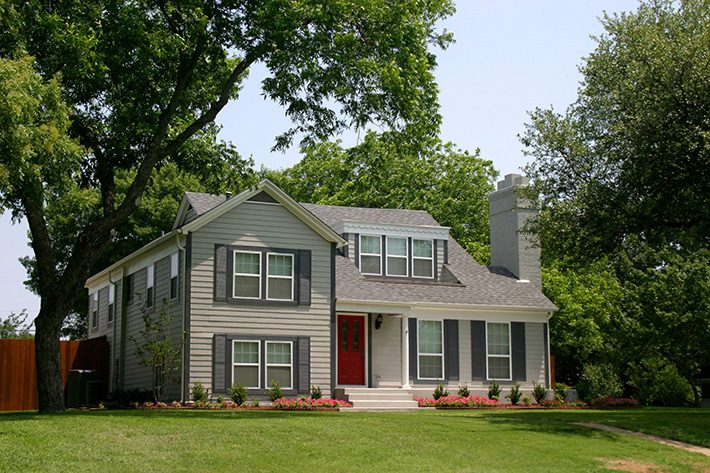
Understanding the Impact of Weather on Your Roof’s Health
A roof is more than just shingles on top of your house. It serves as the primary protection for your home, shielding it from rain, snow, wind, and sun. Understanding the impact of weather a roof experiences is essential to keeping it functioning properly. Weather can cause slow deterioration or sudden damage, and knowing how different conditions affect your roof helps you take proactive steps to protect your home. Proper installation, maintenance, and inspections are key to ensuring your roof continues to perform as it should.
In Michigan, homeowners experience a full range of weather conditions. From hot summers to icy winters, storms, and hail, the roof takes the brunt of the elements. Without attention and upkeep, even a well-installed roof can develop problems that lead to costly repairs, safety hazards, and reduced comfort inside the home. By understanding the impact of weather a roof has, you can make informed decisions about maintenance, repairs, and replacements.
How Sun and Heat Affect Your Roof
Long-term exposure to the sun can significantly affect roofing materials. UV rays break down asphalt shingles, causing them to become brittle and prone to cracking. In extreme heat, roofing materials can expand and warp, which may lead to gaps, lifted shingles, or leaks.
Even high temperatures alone can degrade certain roofing types over time. Heat can affect underlayment, adhesives, and seals, reducing the roof’s ability to prevent water penetration. For homeowners in areas like Southeast Michigan where summers can be warm and sunny, keeping an eye on roof wear is essential.
Regular inspections can identify cracked or curled shingles before water infiltration becomes a problem. Applying protective coatings or replacing damaged shingles can extend the life of a roof while reducing long-term costs.
The Effect of Rain and Damp Conditions
Rain is one of the most common threats to roofs. When water constantly hits a roof, small cracks, worn shingles, or poor seals can allow water to enter the home. This can eventually lead to wood rot, weakened structural elements, and mold growth.
Continuous moisture exposure is particularly damaging to older roofs. Over time, trapped water in the roofing layers can deteriorate underlayment, warp the decking, and compromise flashing around chimneys or vents. Standing water or leaks caused by improper drainage may also damage the attic insulation and interior ceilings.
Proper gutter installation, roof slope, and water-resistant underlayment can mitigate the impact of weather a roofexperiences. Promptly repairing leaks or worn areas also reduces the risk of long-term damage.
Wind Damage and Its Consequences
High winds are another significant factor affecting roof health. Strong gusts can lift or rip shingles, exposing the underlayment and decking. Once the protective layer is breached, water can enter the home, accelerating deterioration.
Wind damage may not always be visible from the ground. Homeowners should inspect the roof after storms for missing shingles, lifted edges, or bent flashing. Even small areas of damage left unrepaired can compromise the entire roof.
By understanding the impact of weather a roof experiences during wind events, homeowners can plan preventive measures, such as reinforcing roof edges and securing vulnerable components.
Snow, Ice, and Their Unique Risks
Winter weather in Michigan presents unique challenges. Heavy snow puts tremendous weight on a roof, straining the structural supports. Ice accumulation at the roof edges, known as ice dams, forms when snow melts in the warmer upper roof areas and refreezes at the colder eaves. Ice dams can block water from properly draining off the roof, allowing it to seep under shingles and cause leaks.
Preventing snow and ice buildup is critical. Homeowners can use roof rakes to remove snow safely and ensure proper attic insulation to limit heat escaping through the roof. Adequate insulation keeps the roof cooler and prevents melting snow from refreezing at the eaves. Ventilation also helps maintain consistent roof temperatures, reducing the likelihood of ice dam formation.
Ignoring snow and ice risks increases the impact of weather a roof experiences, potentially leading to significant structural damage and interior water problems.
Hail Damage and Sudden Roof Failure
Hailstorms are another extreme weather factor that can seriously damage a roof. Hailstones can crack, chip, or dislodge shingles, compromising the roof’s ability to protect the home. Even small hail can leave subtle damage that weakens shingles over time.
After hail events, it is crucial to inspect the roof carefully. Damage to shingles, gutters, and flashing can allow water to enter the home and accelerate wear. Insurance claims are often needed after hailstorms, so documenting damage quickly is important for both safety and financial protection.
Recognizing the impact of weather a roof can have during hailstorms helps homeowners make informed choices about repairs, material upgrades, or insurance coverage.
Preventing Weather-Related Roof Damage
Homeowners can take proactive steps to minimize the impact of weather a roof experiences. Routine maintenance and timely repairs are the most effective ways to extend the life of a roof. Here are key steps to protect your home:
-
Frequent Inspections: Examine the roof at least twice a year, in spring and fall, for cracked, curled, or missing shingles, damaged flashing, and other warning signs.
-
Proper Insulation and Ventilation: Ensure the attic is insulated and ventilated correctly. This regulates temperature and moisture, preventing ice dams, condensation, and heat-related damage.
-
Immediate Repairs: Fixing minor issues as soon as they arise prevents larger, more expensive problems. Replacing damaged shingles or repairing flashing promptly is critical.
-
High-Quality Materials: Invest in durable, weather-resistant materials suitable for Michigan weather. Professional installation ensures that your roof can withstand sun, wind, rain, snow, and hail.
-
Professional Checkups: Hiring an experienced roofing contractor to inspect the roof periodically provides an expert assessment of damage risk and ensures preventive measures are in place.
The Bottom Line on the Impact of Weather a Roof
Weather plays a significant role in a roof’s lifespan and performance. Sun, rain, wind, snow, ice, and hail all contribute to gradual or sudden deterioration. Understanding the impact of weather a roof experiences allows homeowners to take action to protect their investment.
Regular inspections, proper insulation, quality materials, and professional installation are key to reducing weather-related damage. By being proactive, homeowners in Michigan can maintain a healthy roof, prevent costly repairs, and ensure their homes remain safe and comfortable year-round.
Taking steps to manage the effects of weather ensures your roof continues to protect your home for decades. Understanding, prevention, and maintenance are essential in safeguarding this critical part of your property.
Roof Installation that Lasts
Level Up Improvement in Dearborn provides roofing services that you can both trust and depend on. We are known throughout the area for our roof installation and repair services due to our commitment to customer care and satisfaction as well as our quality work.
Call us to schedule a roof inspection to identify potential issues early. Proper care will extend its lifespan and ensure safety. Furthermore, a solid roof maintains your home’s value and efficiency. Visit us online to learn more about our home improvement services so that you can live in optimal comfort year-round.