


Why We Blocked a Gable Vent in Romulus, MI to Improve Attic Ventilation
At Level Up Improvement, every roofing project is more than just shingles and nails. It is about understanding how all the systems in a home work together to protect the structure, improve efficiency, and prevent long-term damage. During a recent roofing project in Romulus, Michigan, we encountered a situation that offered a great opportunity to educate homeowners about attic ventilation and the role a gable vent plays in that system.
At first glance, blocking a gable vent can sound counterintuitive. Many homeowners believe more vents automatically mean better ventilation. In reality, attic ventilation must be balanced and intentional. In this home, leaving the gable vent open would have caused more harm than good.
Understanding Attic Ventilation and Why It Matters
Attic ventilation plays a critical role in the overall health of a home. Your attic is exposed to extreme temperature changes throughout the year, especially in Southeast Michigan. During the summer, heat builds up rapidly in the attic. In the winter, warm air from the home rises and enters the attic space.
Without proper ventilation, that trapped heat and moisture can lead to serious problems, including mold growth, rotting roof decking, shortened shingle lifespan, and ice dams during the winter months.
A properly designed attic ventilation system allows fresh air to enter at the lower portions of the roof and exit at the highest point. This continuous airflow helps regulate temperature, remove moisture, and protect the roof structure.
The Two Key Components of Attic Ventilation
Every effective attic ventilation system relies on two main elements working together.
Intake ventilation allows cooler outside air to enter the attic. This air is typically drawn in through soffit vents located under the roof overhang.
Exhaust ventilation allows hot and moist air to escape. This is most effectively achieved through ridge vents installed along the peak of the roof.
When intake and exhaust ventilation are properly balanced, air moves naturally from the bottom of the roof to the top. This steady airflow keeps the attic dry and temperature controlled.
What Is a Gable Vent and What Does It Do?
A gable vent is installed on the exterior wall at the triangular end of a gable-style roof. Traditionally, gable vents were used as a way to allow hot air to escape from the attic. In older homes, they were often the primary exhaust option.
While a gable vent can work in certain situations, problems arise when it is combined with other ventilation systems that are designed to do the same job more efficiently.
The Problem We Found in This Romulus Home
During this Romulus roofing project, the home was being upgraded with a ridge vent system. Ridge vents are considered one of the most effective exhaust ventilation options available because they run continuously along the highest point of the roof.
However, the home also had an existing gable vent. The placement of that gable vent created an airflow conflict.
Instead of fresh air being pulled in through the soffits and exiting through the ridge vent, the attic air was short-circuiting. Air was entering through the soffits and exiting through the gable vent, or worse, being pulled back into the attic through the gable vent.
This disrupted airflow meant the ridge vent could not function as designed. When that happens, heat and moisture remain trapped in portions of the attic, even though multiple vents are present.
Why More Vents Do Not Always Mean Better Ventilation
This is one of the biggest misconceptions we encounter as roofing professionals. Ventilation is not about how many vents you have. It is about how air moves through the attic.
When a gable vent competes with a ridge vent, it often becomes the path of least resistance. Hot air exits through the gable vent instead of traveling upward and out of the ridge vent. This leaves areas of the attic under-ventilated.
In winter, this can contribute to ice dams. Warm attic air melts snow unevenly on the roof, allowing water to refreeze near the eaves. In summer, trapped heat can bake shingles from underneath, reducing their lifespan.
Our Solution: Blocking the Gable Vent
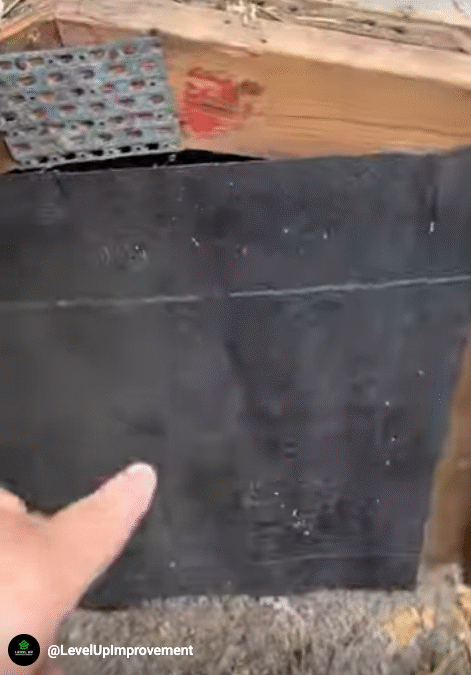
After evaluating the ventilation layout, we made the decision to block the gable vent. This was not done casually. It was a calculated improvement based on airflow principles and best practices for modern attic ventilation.
By sealing off the gable vent, we ensured that all exhaust airflow was directed through the ridge vent. This allowed fresh air to enter through the soffits and exit naturally at the peak of the roof, which is exactly how the system is designed to work.
Blocking the gable vent restored proper balance to the attic ventilation system and eliminated conflicting airflow paths.
The Benefits of Blocking the Gable Vent in This Case
Once the gable vent was blocked, the attic ventilation system functioned more efficiently and predictably.
Benefits included improved temperature regulation in the attic, reduced moisture buildup, better protection against mold and wood rot, and improved roof longevity.
The homeowner also benefited from improved energy efficiency. With heat properly vented out of the attic, the HVAC system no longer had to work as hard to keep the home comfortable.
When a Gable Vent May Still Be Appropriate
It is important to note that blocking a gable vent is not always the right choice for every home. In homes without ridge vents or with limited soffit intake, a gable vent may still play a role.
That is why attic ventilation should never be treated as a one-size-fits-all solution. Each home in Romulus and throughout Metro Detroit has unique design characteristics that must be evaluated before changes are made.
Why Professional Evaluation Matters
Attic ventilation mistakes often go unnoticed until damage appears inside the home. By then, repairs can be costly. Working with an experienced roofing contractor ensures that ventilation changes are made correctly and intentionally.
At Level Up Improvement, we take the time to evaluate intake, exhaust, attic layout, insulation, and airflow patterns before making recommendations. That approach allows us to protect homes for the long term, not just pass inspections.
Final Thoughts
Blocking the gable vent in this Romulus, Michigan home was a strategic decision rooted in building science and real-world experience. By eliminating conflicting airflow and allowing the ridge vent to do its job, we improved the attic ventilation system and protected the home from future moisture and heat-related issues.
If you have a gable vent and are unsure whether it is helping or hurting your attic ventilation, a professional evaluation can make all the difference. Proper airflow is not just about comfort. It is about preserving your roof, your home, and your investment.
📞 Call us today: 313-287-9525
🌐 Visit: https://www.leveluphomeimprovement.com
@level_up_improvement Why We Blocked This Gable Vent in Romulus, MI – Roof Ventilation Done Right In this short, we’re in Romulus, MI showing why we blocked off a gable vent from the attic. Leaving gable vents open can short-circuit your roof’s ventilation system, pulling air from the wrong place and reducing the effectiveness of ridge vents and soffit intake. We covered it with ice and water shield to ensure proper airflow and protect your roof system. We’re Level Up Improvement — CertainTeed Select ShingleMasters, Mastic siding installers, and Polar Seal window experts. Our team delivers top-quality roofing, siding, insulation, and window solutions backed by decades of experience and factory-certified warranties. 📞 Call us today: 313-287-9525 🌐 Visit: https://www.leveluphomeimprovement.com RoofVentilation GableVent RidgeVent RoofingTips RoofingContractor MichiganRoofing RomulusMI LevelUpImprovement RoofMaintenance IceAndWaterShield
♬ original sound – Level Up Improvement – Level Up Improvement
#RoofVentilation #GableVent #RidgeVent #RoofingTips #RoofingContractor #MichiganRoofing #RomulusMI #LevelUpImprovement #RoofMaintenance #IceAndWaterShield