


How Poor Attic Ventilation and Winter Moisture Damage Homes in Rochester Hills, MI
Winter weather in Rochester Hills, Michigan can be tough on homes. Cold temperatures, snow, ice, and long heating seasons create the perfect conditions for moisture problems, especially when attic ventilation is not designed correctly.
One of the most common issues we see in Rochester Hills homes is poor or mixed attic ventilation. When moisture gets trapped in the attic during winter, it can cause damage that homeowners may not notice until it becomes serious and expensive.
In this article, we explain how bad ventilation and moisture damage homes during winter, why this is a major issue in Rochester Hills, and how mixed exhaust venting systems make the problem worse.
Why Winter Moisture Is a Serious Issue in Rochester Hills, MI
Homes in Rochester Hills experience:
-
Freezing temperatures
-
Heavy snow accumulation
-
Frequent freeze-thaw cycles
-
Long periods of indoor heating
During winter, warm air from inside the home naturally rises. That air carries moisture from everyday activities like cooking, showering, and laundry. If that warm, moist air reaches the attic and cannot escape properly, it turns into condensation.
Over time, that moisture leads to mold, wood damage, ice dams, and higher energy bills.
How Poor Attic Ventilation Traps Moisture
A properly ventilated attic allows fresh air to enter and moist air to exit. When ventilation is poor or unbalanced, moisture becomes trapped.
Common attic ventilation problems in Rochester Hills include:
-
Not enough intake ventilation
-
Blocked soffit vents
-
Too many exhaust vents
-
Improper exhaust placement
-
Mixed exhaust venting systems
Many homes in the area were built decades ago and later updated without correcting ventilation design. This often leads to airflow problems that show up during winter.
Why Mixed Exhaust Venting Causes Major Problems
This Rochester Hills home had mixed exhaust venting, including:
-
Box (can) vents
-
A powered attic fan
Using more than one type of exhaust ventilation might seem helpful, but it often causes serious issues—especially in winter.
What Happens With Mixed Exhaust Venting
When different exhaust systems are installed together:
-
Airflow becomes unbalanced
-
Exhaust vents compete with each other
-
The powered fan pulls air from nearby vents instead of intake vents
Instead of removing moisture, the system actually draws more moist air into the attic.
Why Powered Attic Fans Can Be a Problem in Winter
Powered attic fans are often installed to help with summer heat, but they can cause problems during Michigan winters.
In cold weather, powered fans can:
-
Pull heated air out of the home
-
Increase moisture levels in the attic
-
Cause condensation and frost buildup
-
Raise heating costs
When combined with box vents, powered fans often short-cycle airflow, making ventilation worse instead of better.
Condensation, Frost, and Mold Growth
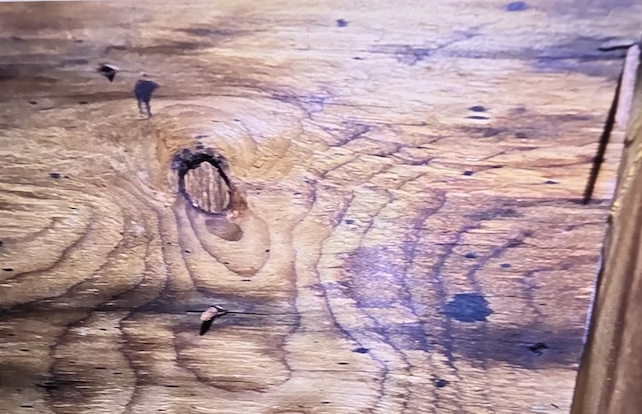
When warm air meets cold attic surfaces, condensation forms. In winter, this can turn into frost on:
-
Roof decking
-
Nails
-
Rafters
-
Insulation
As temperatures rise and fall, frost melts and soaks into the wood. This repeated moisture exposure leads to:
-
Mold growth
-
Mildew smells
-
Stained ceilings
-
Reduced indoor air quality
Mold problems in attics are very common in Rochester Hills homes with ventilation issues.
Ice Dams Are a Warning Sign
Ice dams are one of the clearest signs of poor attic ventilation.
How Ice Dams Form:
-
Warm attic air melts snow on the roof
-
Melted snow runs to colder roof edges
-
Water refreezes and builds up as ice once it escapes its heat source
-
Trapped water backs up under shingles
Ice dams can cause:
-
Roof leaks
-
Damaged shingles
-
Rotting roof decking
-
Interior water damage
They are often caused by ventilation and insulation problems, not roofing materials.
Long-Term Structural Damage
Moisture trapped in the attic does not just cause mold. Over time, it can weaken the structure of your home.
Common moisture-related damage includes:
-
Rotting roof decking
-
Soft or sagging roof areas
-
Weakened rafters
-
Reduced shingle lifespan
In severe cases, homeowners may need decking replacement when replacing their roof, adding significant cost.
Higher Heating Bills and Comfort Issues
Poor ventilation and moisture also affect your energy efficiency.
When insulation becomes damp:
-
It loses effectiveness
-
Heat escapes faster
-
Furnaces run longer
-
Heating bills increase
Many Rochester Hills homeowners are surprised to learn that fixing ventilation issues can improve comfort and lower winter energy costs.
What Proper Attic Ventilation Should Look Like
A well-designed attic ventilation system should:
-
Use one consistent exhaust method
-
Be balanced with proper intake ventilation
-
Allow moist air to exit naturally
-
Keep attic temperatures close to outdoor temperatures
Balanced systems reduce moisture, protect roofing materials, and help prevent winter damage.
Signs Your Rochester Hills Home May Have Ventilation Problems
Watch for these warning signs:
-
Ice dams along roof edges
-
Frost or condensation in the attic
-
Mold or dark staining on attic wood
-
Musty smells indoors
-
Uneven indoor temperatures
-
High winter heating bills
If you notice any of these, it’s important to address them before damage spreads.
Why Professional Ventilation Corrections Matter
Ventilation issues are often hidden and easy to overlook. A professional inspection can identify:
-
Mixed or competing exhaust systems
-
Intake ventilation deficiencies
-
Moisture damage
-
Insulation problems
Correcting ventilation properly helps protect your roof, attic, and home for the long term.
Protecting Homes in Rochester Hills, MI
Homes in Rochester Hills face harsh winter conditions every year. Snow, freezing temperatures, and older construction styles make proper attic ventilation critical.
Fixing poor or mixed ventilation systems helps:
-
Prevent moisture damage
-
Reduce ice dams
-
Improve energy efficiency
-
Extend the life of your roof
-
Protect your home’s value
Final Thoughts
Poor attic ventilation and trapped moisture can quietly damage homes during winter in Rochester Hills. Mixed exhaust systems—like box vents combined with powered attic fans—often make the problem worse.
By understanding how ventilation works and correcting issues early, homeowners can avoid mold, structural damage, and costly repairs.
If you suspect moisture or ventilation issues in your home, a professional evaluation can help keep your home safe, dry, and comfortable all winter long.
check out this reddit post to learn more about attic ventilation