


Why We Installed Lomanco Deck-Air in Beverly Hills for Proper Roof Ventilation
When most homeowners think about a new roof, they usually picture shingles, flashing, and maybe the color of the materials. What many people do not realize is that one of the most important parts of a roofing system is something you cannot see from the ground. That is the ventilation system working inside the attic.
On a recent roofing project in Beverly Hills, Michigan, our team installed a complete ventilation system designed to move fresh air through the attic all day and night. As Brandon explained in a video from the job site, good airflow is essential for protecting the roof structure and helping the entire home perform better.
To accomplish this, we installed Deck-Air manufactured by Lomanco along with a properly installed ridge vent system. Together, these components create balanced airflow that helps keep the attic cool and dry.
This article explains why intake ventilation matters, how Deck-Air works, and why systems like this are becoming more common on well built roofs in Southeast Michigan.
Why Roof Ventilation Matters
An attic without proper ventilation can cause several problems for a home. Heat and moisture build up naturally in attic spaces, especially in climates like Michigan where we experience hot summers and cold winters.
During the summer, the sun heats the roof and attic space. Without proper ventilation, that heat becomes trapped. Attic temperatures can climb well above 120 degrees. This excess heat can cause shingles to age faster and may even lead to premature roof failure.
In winter, the issue is often moisture rather than heat. Warm air from inside the home rises into the attic. When that warm air meets cold roof surfaces, condensation can form. Over time, this moisture can lead to mold, mildew, and wood rot.
Proper ventilation solves both of these problems by allowing fresh air to enter the attic while pushing hot and moist air out.
A good ventilation system always includes two important parts.
• Intake ventilation
• Exhaust ventilation
The intake pulls cool air into the attic, while the exhaust allows warm air to escape.
Without both components working together, the system cannot function properly.
What Is Lomanco Deck-Air?
On this project we used Deck-Air, a specialized intake ventilation product designed to bring fresh air into the attic continuously.
Traditional intake ventilation often comes from soffit vents located along the underside of roof overhangs. However, not every home has soffits or enough space to provide proper airflow. That is where Deck-Air becomes a very useful solution.
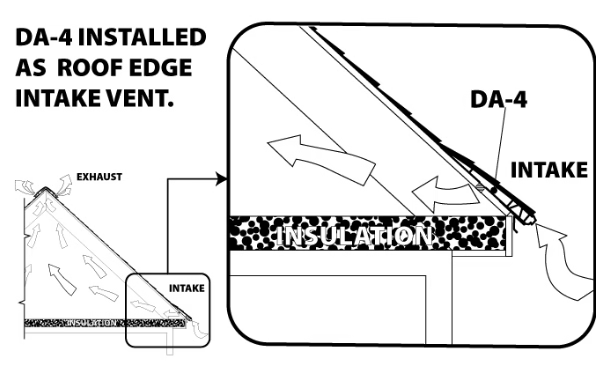
Deck-Air is installed along the lower edge of the roof deck, typically a few feet above the eave. It allows outside air to enter the attic space even when soffit ventilation is limited or blocked.
Once installed beneath the roofing materials, it becomes part of the roof system itself. From the ground you usually cannot see it, but it quietly does its job all day long.
The system is designed to pull in cool, fresh air 24 hours a day, helping regulate attic temperatures and reduce moisture buildup.
How Deck-Air Works With Ridge Vent Exhaust
Ventilation works best when there is balanced airflow. In this home, Deck-Air was used for intake and a ridge vent was installed at the peak of the roof for exhaust.
Here is how the system works.
Cool outside air enters the attic through the Deck-Air intake vents near the lower portion of the roof. As the air warms up inside the attic, it naturally rises toward the peak of the roof.
At the ridge line, the ridge vent allows that warm air to escape outside. This creates a continuous flow of air through the attic space.
This natural airflow cycle is sometimes called the stack effect. As warm air exits through the ridge vent, it pulls more cool air in through the intake vents below.
The result is constant ventilation that helps maintain a healthier attic environment.
Benefits of Lomanco Deck-Air in Beverly Hills Homes
Many homes in Beverly Hills, Michigan were built decades ago and may not have been designed with modern ventilation standards in mind. Adding products like Deck-Air can significantly improve attic airflow without requiring major structural changes.
Some of the biggest benefits include:
Lower attic temperatures
By bringing fresh air into the attic and exhausting hot air through the ridge vent, the overall temperature of the attic can be reduced during the summer months.
Longer roof life
Excess heat can shorten the life of roofing materials. Proper ventilation helps shingles perform closer to their intended lifespan.
Reduced moisture problems
In winter, airflow helps remove humid air before it condenses on cold surfaces in the attic.
Improved energy efficiency
A cooler attic can reduce the amount of heat transferring into the living space below, which can help lower cooling costs during hot Michigan summers.
Why Proper Installation Matters
Even the best ventilation products will not work properly if they are installed incorrectly. Intake and exhaust must be balanced, and the airflow path inside the attic needs to remain open.
Common issues that can reduce ventilation performance include:
• Blocked soffit vents
• Insulation covering intake openings
• Too much exhaust without enough intake
• Poor ridge vent installation
This is why it is important for roofing contractors to look at the entire ventilation system rather than focusing only on shingles.
A well designed roof is a system where every part works together.
A Roof Is More Than Just Shingles
Many homeowners are surprised to learn how important ventilation is when installing a new roof. Shingles protect the home from weather, but the airflow underneath them plays a major role in how long that roof will last.
On this project in Beverly Hills, Michigan, installing Deck-Air from Lomanco allowed us to create a balanced ventilation system that works with the ridge vent to move air through the attic continuously.
When a roofing system is designed correctly, it protects the home, improves efficiency, and helps prevent many problems before they ever start.
Follow this link to learn more about attic ventilation and the importance of intake ventilation.