


9 Ways Companies Cut Corners With Windows and What Homeowners Should Watch For
If you are shopping for new windows, you have probably noticed that most vinyl windows look very similar. White frames, double-pane glass, smooth sliders, or double-hung sashes. On the surface, they appear almost identical.
The truth is that all vinyl windows may look the same but how they are made makes a huge difference. The materials used in the frame, the way corners are joined, the type of glass coating, and the number of internal chambers all affect performance, durability, and long-term energy efficiency. This is especially important in Michigan where winters are cold, summers are hot, and temperature swings can be extreme.
At Level Up Improvement, we prefer Polar Seal Windows because they are built with quality materials and designed to last. Below are nine ways some window companies cut corners and what you should watch for before making a purchase.
1. Low-Quality Vinyl
Not all vinyl is the same. High-quality vinyl windows use virgin uPVC with stabilizers to resist warping, cracking in cold weather, and fading from sunlight. Some companies use recycled vinyl or cheaper blends to save money. This type of vinyl can expand and contract excessively in Michigan weather. Over time this causes air leaks, stresses the seals, and shortens the lifespan of the window.
Ask the company:
-
Is the vinyl virgin or recycled?
-
What testing standards does it meet?
Low-quality vinyl might save money at first but can lead to major problems later.
2. Weak Frame Construction
The frame is the backbone of the window. If it is weak, everything else suffers. Some companies use thinner frame extrusions, remove reinforcement, or skip structural enhancements to reduce costs. This can result in windows that rack, become hard to open, or lose their seal over time.
Strong frames resist wind pressure and maintain alignment which is important in Michigan.
Look for:
-
Reinforced rails
-
Fusion-welded corners
-
Structural testing ratings
A solid frame ensures your windows perform well for years.
3. Fewer Internal Chambers
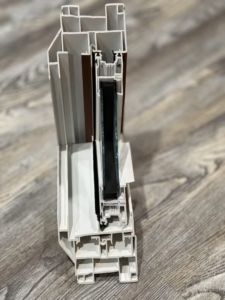
Vinyl window frames often have multiple internal chambers. These chambers increase strength and improve insulation. Some budget manufacturers reduce the number of chambers to save material costs. The window may look the same from the outside but performs worse in terms of durability and energy efficiency.
Ask:
-
How many chambers are in the frame and sash?
More chambers provide better insulation and structural support.
4. Poor Corner Welding
Vinyl window corners are joined with fusion welding. High-quality windows have strong, precise welds that form seamless corners. Some companies use weaker welds or fewer weld points to reduce costs. Over time, weak welds can crack, separate, or leak.
Check:
-
Are the corners tightly fused?
-
Do the corners appear smooth and clean?
The corners are critical to the overall strength of the window.
5. Thinner Glass
Glass is the main surface of a window. Some companies reduce costs by using thinner panes. Thin glass flexes under wind pressure, lets in more noise, and can fail faster.
High-quality windows use thicker double-pane glass packages for strength and performance. In Michigan, this is important for both safety and energy efficiency.
6. Incorrect Low-E Coating for Michigan
Low-E coatings reflect heat and improve insulation. There are two main types. Hard coat is applied during manufacturing, is durable, and allows beneficial solar heat gain. Soft coat is applied after manufacturing and can be more reflective.
Many companies recommend soft coat even though it may not be ideal for cold climates. Michigan homeowners benefit from hard coat Low-E because it allows winter sunlight to help warm the home.
Ask:
-
Is this hard coat or soft coat Low-E?
-
Why is this type recommended for Michigan?
Understanding this can improve comfort and lower energy costs.
7. Cheap Spacer Systems
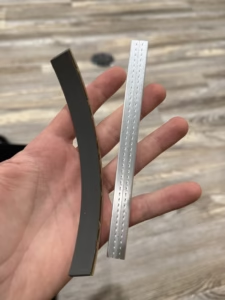
Between the panes of glass is a spacer that separates the panes and reduces condensation. Lower-cost windows often use aluminum spacers that conduct heat. Higher-quality windows use warm-edge spacers that limit heat transfer and reduce condensation risk.
The spacer system may not be visible, but it affects long-term performance and energy efficiency.
8. Inferior Weatherstripping
Air infiltration is a common problem in windows. Some companies use low-density weatherstripping, fewer sealing points, or materials that wear out quickly. Poor sealing can lead to drafts, higher energy bills, and premature window failure.
Check:
-
What is the window’s air infiltration rating?
-
How many sealing points are included?
Good weatherstripping is critical for comfort and efficiency.
9. Cutting Corners During Installation
Even high-quality windows can fail if installed improperly. Common shortcuts include insufficient insulation around the frame, skipping foam insulation, poor flashing, reusing damaged trim, or rushing the installation. Poor installation can cause drafts, water damage, rot, or mold and may void the warranty.
A reputable company will take the time to install windows properly and follow best practices.

Why Windows Can Look the Same but Perform Differently
From the outside, most vinyl windows appear identical. White frames, clear glass, and smooth operation. The differences are mostly hidden inside the frame and glass. Factors that affect performance include:
-
Vinyl formulation
-
Chamber design
-
Weld strength
-
Glass thickness
-
Spacer system
-
Low-E coating
-
Air sealing
Two windows that look identical can perform very differently in comfort, energy savings, and longevity.
Why We Prefer Polar Seal Windows
We install Polar Seal Windows because of the quality and attention to detail. Polar Seal windows feature:
-
High-quality virgin vinyl
-
Multi-chambered frames
-
Fusion-welded corners
-
Durable glass packages
-
Hard coat Low-E for Michigan
-
Strong air infiltration ratings
These windows are built to handle the climate and last for decades.
Questions Every Homeowner Should Ask About How Companies Cut Corners With Windows
Before buying windows, ask:
-
What type of vinyl is used?
-
How many chambers are in the frame and sash?
-
Is the Low-E coating hard coat or soft coat?
-
What spacer system is used?
-
What is the air infiltration rating?
-
How are the corners welded?
-
What is the glass thickness?
-
What does the installation process include?
If the company cannot answer these questions confidently, be cautious.
Conclusion
Cut corners with windows may save a company money but can cost homeowners in performance, comfort, and energy efficiency. The differences are mostly hidden. You are not just buying glass and vinyl but structural integrity, insulation, and durability.
High-quality windows like Polar Seal Windows are designed to last in Michigan climates. Look beyond appearance and price. Ask the right questions and choose windows built for performance, not just looks.
Be sure to check out our ever growing blog here that features posts like this one that highlights a 45 window project we completed in Novi, MI