


Breathe Easy: A Deep Dive Into Attic Baffles For Intake Ventilation – Better Attic Ventilation
Attic ventilation is one of the most overlooked parts of a healthy home. Many homeowners focus on shingles, siding, or insulation while ignoring the airflow above their ceilings. That airflow matters more than most people realize. One small but essential component plays a major role in keeping that airflow working properly, and that component is attic baffles.
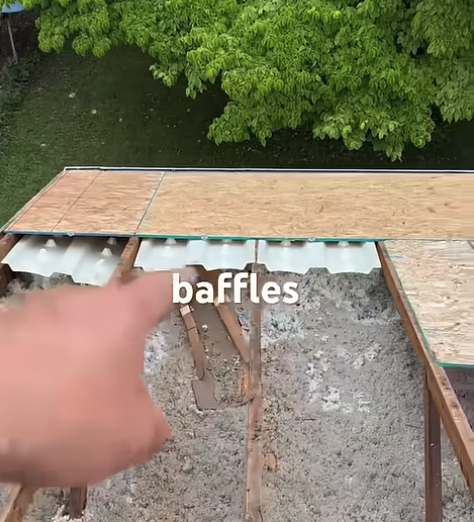
A short video filmed in Romulus shows how attic baffles are installed under the first course of roof decking. While the clip only lasts a few seconds, it highlights a building detail that can prevent years of damage and unnecessary expense. To fully understand why attic baffles matter, it helps to slow things down and look at what they do, how they work, and why skipping them often leads to problems.
Understanding Attic Ventilation Basics
Before diving deeper into attic baffles, it is important to understand how attic ventilation is supposed to work. A properly ventilated attic relies on a steady flow of air that enters through soffit vents and exits through ridge vents or roof vents. This continuous movement helps regulate temperature and moisture levels inside the attic.
When fresh air enters at the eaves, it pushes warm, moist air upward and out of the attic. This process keeps roof decking dry, prevents condensation, and reduces heat buildup. Without proper airflow, an attic can trap moisture and heat, creating the perfect environment for mold growth and structural damage.
What Are Attic Baffles For Intake Ventilation?
Attic baffles are rigid or semi rigid channels installed between the roof rafters at the edge of the attic, right where the roof meets the soffit. Their primary purpose is to keep insulation from blocking the airflow coming in through the soffit vents.
Think of attic baffles as guides for air. They create a clear path that allows outside air to travel up the underside of the roof deck. Without attic baffles, insulation can shift or be packed too tightly, cutting off that airflow entirely.
Most attic baffles are made from foam, plastic, or cardboard materials designed for construction use. They are lightweight, affordable, and easy to install, yet they provide long term protection for the entire roofing system.
Why Attic Baffles Matter More Than You Think
Many homeowners assume insulation alone is enough to protect their home. While insulation is important, it works best when paired with proper ventilation. Attic baffles ensure that ventilation and insulation can coexist without interfering with each other.
When attic baffles are missing or improperly installed, several issues can arise:
Moisture buildup becomes a major concern. Warm air from inside the home rises into the attic, carrying moisture with it. If that moisture cannot escape, it condenses on cold surfaces like roof sheathing.
Mold and mildew can develop on wood framing and insulation. Over time, this can affect indoor air quality and create health concerns.
Roof decking can warp or rot due to prolonged exposure to moisture. This damage is often hidden until a roof replacement reveals the extent of the problem.
Ice dams become more likely in colder climates. Poor airflow allows heat to linger in the attic, melting snow on the roof and refreezing it at the edges.
Energy efficiency suffers when trapped heat forces heating and cooling systems to work harder.
Attic baffles help prevent all of these issues by maintaining consistent airflow from the soffits upward.
How Attic Baffles Are Installed
The video example shows attic baffles being slid neatly under the first row of roof decking. This placement is critical. The baffle must extend far enough to protect the airflow path without leaving gaps where insulation can intrude.
Installation typically follows a few basic steps:
The installer locates the soffit vent opening from inside the attic.
A baffle is positioned between the rafters, starting at the soffit and extending upward along the roof deck.
The baffle is secured using staples or fasteners to keep it firmly in place.
Once installed, insulation can be added without blocking the ventilation channel.
This process may seem simple, but precision matters. Poor placement or loose baffles can still allow insulation to shift over time, reducing airflow.
Attic Baffles For Intake Ventilation and Insulation Upgrades
One of the most common times attic baffles are installed or replaced is during an insulation upgrade. Homeowners adding blown in insulation often do not realize that insulation depth can easily bury soffit vents if attic baffles are missing.
Blown in insulation is especially prone to blocking airflow because it can drift and settle over time. Attic baffles act as a permanent barrier, keeping that insulation where it belongs while preserving ventilation.
If you are planning to add insulation, attic baffles should be part of the project from the beginning. Retrofitting baffles after insulation is installed is more difficult and sometimes incomplete.
New Construction vs Older Homes
In newer construction, attic baffles are usually included as part of standard building practices. However, even newer homes can have poorly installed or undersized baffles.
Older homes are even more likely to be missing attic baffles altogether. Many houses built decades ago relied on minimal ventilation standards that no longer meet modern expectations. In these homes, adding attic baffles can significantly improve performance without major structural changes.
A professional inspection can determine whether attic baffles are present and whether they are doing their job correctly.
Long Term Benefits of Attic Baffles For Intake Ventilation
The benefits of attic baffles extend far beyond immediate airflow improvements. Over time, they contribute to the overall durability and comfort of the home.
Roof materials last longer when moisture is controlled.
Heating and cooling costs are often lower due to improved temperature regulation.
Indoor comfort improves as attic temperatures become more stable.
The risk of hidden damage decreases, reducing surprise repair costs.
These advantages make attic baffles one of the most cost effective upgrades a homeowner can make.
Common Misconceptions About Attic Baffles
Some homeowners believe attic baffles are optional or only needed in extreme climates. In reality, any home with soffit ventilation benefits from attic baffles.
Another misconception is that more insulation always equals better performance. Insulation without ventilation can cause more harm than good. Attic baffles allow both systems to work together properly.
There is also a belief that attic baffles are only important during roof replacement. While that is a great time to address them, they can be installed independently and still provide immediate benefits.
Why This Small Detail Matters
The short video filmed during real work on a real home serves as a reminder that good construction is often about the details you never see. Attic baffles are hidden once insulation is installed, but their impact lasts for decades.
Ignoring attic baffles can lead to problems that are expensive and disruptive to fix later. Including them during attic work is a proactive step that protects your home from moisture, heat, and unnecessary wear.
Final Thoughts on Attic Baffles For Intake Ventilation
Attic baffles may not be the most exciting part of a home improvement project, but they are one of the most important. They support proper ventilation, protect insulation performance, and help prevent serious structural issues.
Whether you are building a new home, upgrading insulation, or simply trying to improve energy efficiency, attic baffles should never be overlooked. A small investment of time and materials today can save thousands of dollars in repairs tomorrow.
If you are unsure whether your attic has properly installed attic baffles, a professional inspection can provide peace of mind. When it comes to attic health, airflow is everything, and attic baffles are the foundation that makes it possible.
Here is a reddit post to further the discussion.
@level_up_improvement Why We Blocked This Gable Vent in Romulus, MI – Roof Ventilation Done Right In this short, we’re in Romulus, MI showing why we blocked off a gable vent from the attic. Leaving gable vents open can short-circuit your roof’s ventilation system, pulling air from the wrong place and reducing the effectiveness of ridge vents and soffit intake. We covered it with ice and water shield to ensure proper airflow and protect your roof system. We’re Level Up Improvement — CertainTeed Select ShingleMasters, Mastic siding installers, and Polar Seal window experts. Our team delivers top-quality roofing, siding, insulation, and window solutions backed by decades of experience and factory-certified warranties. 📞 Call us today: 313-287-9525 🌐 Visit: https://www.leveluphomeimprovement.com RoofVentilation GableVent RidgeVent RoofingTips RoofingContractor MichiganRoofing RomulusMI LevelUpImprovement RoofMaintenance IceAndWaterShield
♬ original sound – Level Up Improvement – Level Up Improvement