


Why Aluminum Sliding Glass Doors Cause Condensation Inside Your Home
Southeast Michigan Homeowners Guide
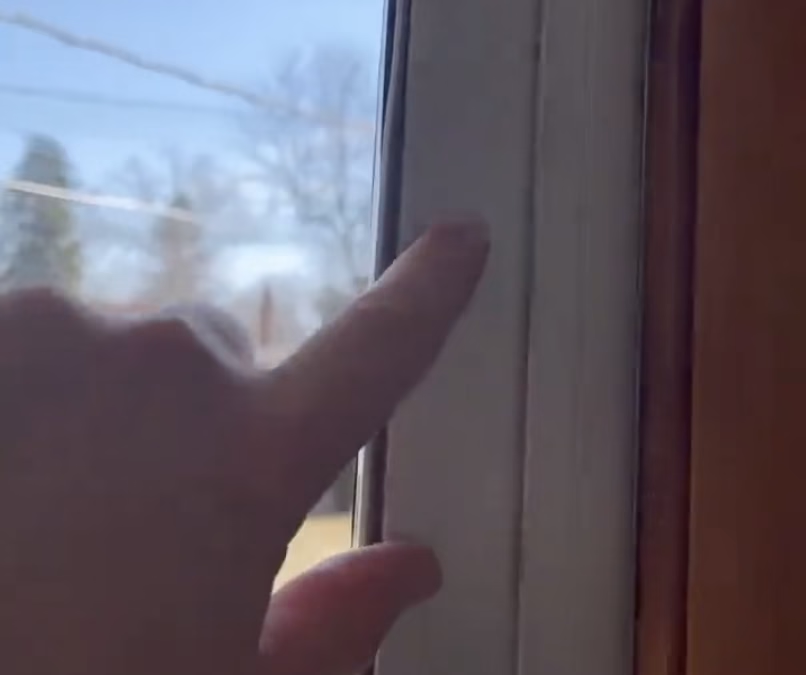
If you’ve ever noticed water droplets forming on the inside of your sliding glass door during the winter, you’re not alone. In this recent video, Brandon from Level Up Improvement shows a common issue we see across Southeast Michigan homes, especially in older aluminum sliding glass doors.
Condensation might seem harmless at first, but over time it can lead to mold, water damage, and reduced energy efficiency. Understanding why it happens is the first step toward fixing it.
What Causes Condensation on Sliding Glass Doors?
Condensation forms when warm, moist air inside your home comes into contact with a cold surface, like glass or metal. When that surface drops below the dew point, moisture in the air turns into water droplets.
This is especially common in Southeast Michigan during the colder months when the temperature difference between inside and outside is significant.
Think about it like a cold drink on a hot day. The glass sweats because warm air hits a cold surface. The same thing is happening on your sliding door.
Why Aluminum Sliding Doors Make It Worse
Not all doors perform the same when it comes to condensation. Aluminum sliding glass doors are one of the biggest culprits.
Here’s why:
1. Aluminum Transfers Cold Easily
Aluminum is a highly conductive material, meaning it transfers outdoor temperatures directly inside. This creates what’s known as a thermal bridge, making the interior frame and glass colder than other materials.
When that surface gets cold enough, condensation forms quickly.
2. Older Designs Lack Insulation
Many older aluminum sliding doors, especially in homes throughout Sterling Heights, Royal Oak, and surrounding areas, don’t have modern thermal breaks. This means there’s nothing stopping cold air from affecting the inside surface.
The result is more frequent and heavier condensation.
3. Large Glass Surface Area
Sliding glass doors have a lot of exposed glass. Glass is naturally one of the coldest surfaces in your home, which makes it a prime spot for moisture to collect.
Combine that with an aluminum frame and you have the perfect conditions for condensation.
Why This Is Common in Southeast Michigan
Homes in Southeast Michigan deal with long, cold winters and significant indoor heating. That creates a big temperature gap between inside and outside.
At the same time, everyday activities like cooking, showering, and even breathing add moisture to the air inside your home.
When that warm, humid air hits a cold aluminum door, condensation is almost guaranteed.
Is Condensation a Bad Sign?
This is one of the biggest misconceptions homeowners have.
Condensation on the inside of your sliding door does NOT always mean the door is failing. In many cases, it’s simply a humidity issue inside the home.
However, it can also be a warning sign of:
- Poor insulation
- Outdated door systems
- Air leaks or drafts
- Inefficient glass packages
If you’re constantly seeing heavy moisture, pooling water, or even ice buildup, it’s worth taking a closer look.
Problems Caused by Condensation
Ignoring condensation can lead to bigger issues over time, including:
- Water damage to flooring and trim
- Mold and mildew growth
- Reduced indoor air quality
- Damage to the door frame or surrounding structure
In aluminum systems, moisture can even contribute to corrosion if left unchecked.
How to Reduce Condensation in Your Home
Before replacing your door, there are a few things you can try:
Improve Ventilation
Use bathroom fans, kitchen exhaust fans, and open windows when possible to reduce indoor humidity.
Lower Indoor Humidity
A dehumidifier can make a big difference, especially during winter months.
Increase Airflow
Keep blinds and curtains open so warm air can circulate across the glass.
Upgrade Your Door
If your sliding glass door is older, upgrading to a modern system with better insulation can significantly reduce condensation.
Newer doors are designed with improved glass packages and thermal breaks that help keep interior surfaces warmer.
When It’s Time to Replace Your Sliding Glass Door
If your aluminum sliding door is older, drafty, or constantly covered in condensation, it may be time for an upgrade.
Modern vinyl or composite sliding doors offer:
- Better insulation
- Reduced condensation
- Improved energy efficiency
- Increased comfort during Michigan winters
For homeowners in Southeast Michigan, this upgrade can make a noticeable difference not just in comfort, but also in energy bills.
Final Thoughts
Condensation on aluminum sliding glass doors is a common issue, especially in colder climates like Southeast Michigan. While it’s often caused by indoor humidity, the material and design of your door play a major role.
If you’re dealing with constant condensation, it might be time to take a closer look at your door system and consider an upgrade.
If you have questions about your windows or sliding doors, or want an honest assessment, Level Up Improvement is here to help.
@level_up_improvement Why Aluminum Patio Doors Fail in Cold Weather – No Thermal Break Condensation Damage This old aluminum sliding door was cold to the touch and frosted over on the inside — not just uncomfortable, but damaging. Aluminum frames are highly conductive and offer no thermal break, which means heat escapes fast and cold moves in. The result? Condensation, frost, water stains, and long-term damage to your floors, trim, and drywall. We always recommend energy-efficient replacement doors with insulated frames and glass — especially in Michigan’s harsh winters. PatioDoorProblems AluminumFrameCondensation ThermalBreakMatters WindowSweat ColdWeatherDamage MichiganHomes EnergyEfficientDoors LevelUpImprovement MetroDetroitRealEstate SlidingDoorUpgrade
♬ original sound – Level Up Improvement – Level Up Improvement