

Roofing Terminology Every Homeowner Should Know Before Hiring a Roofer
If you’re getting estimates for a new roof, you’ll probably hear a lot of terms that sound familiar—but aren’t always explained clearly. Knowing basic roofing terminology helps you ask better questions, understand proposals, and compare contractors more confidently.
Below is a practical guide to common roofing terms every homeowner should know before shopping for roofers.
Shingles (More Than Just “Shingles”)
Most homes use asphalt shingles, but even those come in different types.
-
Three-tab shingles: A flatter, more basic shingle. Less common on newer homes.
-
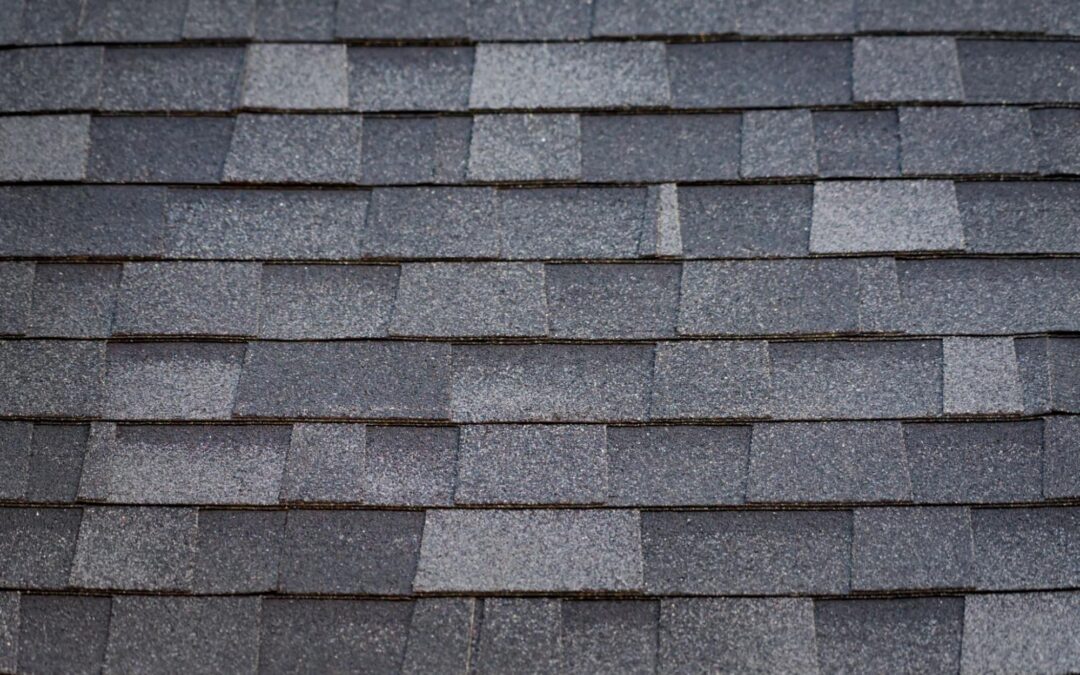
Architectural shingles (also called dimensional shingles):
The most common asphalt shingle today. Thicker, layered, and designed to add depth and better wind resistance.
When talking to a roofer, ask what type of shingle they’re quoting and why it’s a good fit for your home.
Starter Shingles
Starter shingles are installed along the eaves and rakes before the main shingles go on. They:
-
Seal the first row of shingles
-
Help prevent wind uplift
-
Protect the roof edge from water intrusion
This is a small detail that makes a big difference. A proper starter course is a sign of a quality installation.
Drip Edge
Drip edge is a metal flashing installed along the roof edges. Its job is to:
-
Direct water away from the fascia and decking
-
Prevent rot at the roof edge
-
Help shingles lay flat at the perimeter
Many older roofs don’t have drip edge—adding it during replacement is usually a smart upgrade.
Eaves, Rakes, and Ridge
These terms describe different parts of your roof’s perimeter:
-
Eaves: The horizontal bottom edges of the roof
-
Rakes: The sloped edges on the sides of the roof
-
Ridge: The peak where two roof planes meet
Each area is handled differently during installation and often uses specific materials.
Cap Shingles (Ridge Cap)
Cap shingles are designed to cover the ridge of the roof. They:
-
Protect the peak from water intrusion
-
Allow for proper ventilation when paired with ridge vents
-
Provide a finished, clean look
Using proper ridge cap shingles (not cut-up field shingles) is another quality marker.
Roof Ventilation (Intake & Exhaust)
Proper ventilation is critical for roof longevity and energy efficiency.
-
Intake ventilation: Usually at the eaves (soffit vents)
-
Exhaust ventilation: At or near the ridge (ridge vents or roof vents)
A balanced system helps:
-
Reduce moisture buildup
-
Prevent ice dams
-
Extend shingle life
Ask contractors how they’re addressing both intake and exhaust ventilation—not just one.
Flashing
Flashing is metal used to seal transitions and protect vulnerable areas. Common flashing locations include:
-
Around chimneys
-
Along walls
-
In valleys
-
Around skylights
Improper or reused flashing is a frequent cause of roof leaks, so this is a key discussion point with any roofer.
Valleys
Valleys are where two roof slopes meet and channel water. Because they handle a high volume of runoff, valleys need special attention.
Common valley types include:
-
Open metal valleys
-
Closed or woven shingle valleys
The method used should match your roof design and climate.
Roof Penetrations
Penetrations are anything that passes through the roof surface, such as:
-
Chimneys
-
Plumbing vent pipes
-
Bathroom fan vents
-
Skylights
Each penetration must be properly flashed and sealed. These areas are among the most common sources of leaks when done incorrectly.
Warranties: Manufacturer vs. Workmanship
Roofing warranties often cause confusion, but there are two main types to understand.
Manufacturer Warranties
-
Cover materials (and sometimes labor)
-
Provided by the shingle manufacturer
-
Coverage varies based on product and installation method
-
Some enhanced warranties require certified contractors
Workmanship Warranties
-
Cover installation labor
-
Provided by the roofing company
-
Length and terms vary by contractor
-
Some are backed by manufacturers, others are company-only
Always ask what is covered, for how long, and who is responsible if there’s an issue.
Why This Terminology Matters
Understanding roofing terms helps you:
-
Compare estimates more accurately
-
Spot red flags in vague proposals
-
Have clearer conversations with contractors
-
Make more confident decisions about your home
A good roofer should be willing to explain these terms—but knowing them ahead of time puts you in control of the process.
If you ever feel rushed or dismissed when asking questions, that’s usually a sign to keep shopping.