


Ferndale Roof Ventilation: Why Proper Intake Ventilation Matters More Than Most Homeowners Realize
When homeowners think about a new roof, they usually focus on the shingles. Color, style, warranty, and curb appeal often get the most attention. While those factors are important, one of the most critical parts of a roofing system is something most people never see once the project is complete.
Ventilation.
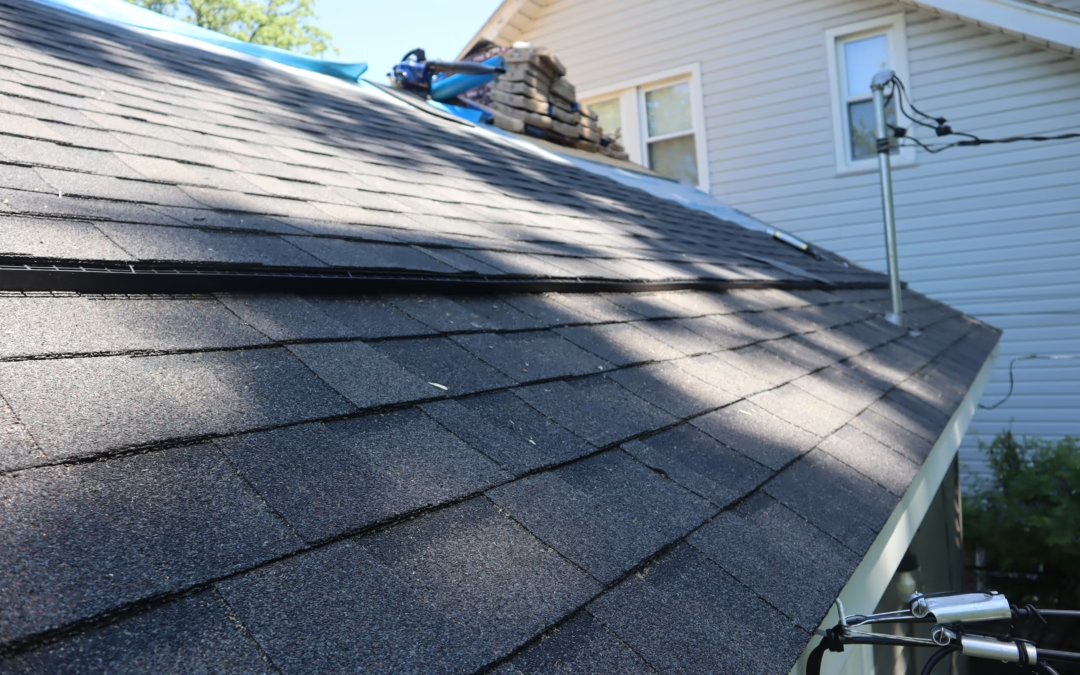
During this recent roof replacement in Ferndale, Michigan, our team installed Lomanco Deck-Air intake ventilation as part of a complete roofing system upgrade. This component is installed along the eaves of the roof and helps provide the airflow necessary to keep the attic healthy and the roofing system performing as intended.
Many roofing contractors focus only on replacing shingles. At Level Up Improvement, we take a different approach. We evaluate the entire roofing system to identify issues that could shorten the life of the roof or create problems inside the home.
What Is Roof Intake Ventilation?
Roof ventilation works by creating airflow through the attic space. Fresh air enters through intake vents located near the lower portion of the roof and exits through exhaust vents, typically located at the ridge.
This continuous airflow helps regulate temperature and moisture levels within the attic.
Without adequate intake ventilation, the entire system struggles to function properly. Even if a home has ridge vents installed, they cannot perform efficiently if there is not enough fresh air entering the attic.
Think of it like trying to breathe through a straw while covering your nose. The exhaust has nowhere to pull air from.
Why We Installed Lomanco Deck-Air in Ferndale
The home in Ferndale needed improved intake ventilation as part of its roof replacement project.
Traditional soffit ventilation is not always sufficient, especially on older homes where soffits may be blocked, undersized, or nonexistent. In situations like these, Deck-Air provides an effective solution by creating a dedicated intake ventilation pathway beneath the roofing system.
The product is installed at the roof’s edge before the shingles are applied. Once completed, it becomes part of the finished roofing system while remaining virtually invisible from the ground.
This allows the roof to receive proper intake airflow without changing the home’s appearance.
Problems Caused by Poor Roof Ventilation
One of the most common issues we find during roof inspections throughout Southeast Michigan is inadequate ventilation.
Poor attic airflow can contribute to several problems, including:
Excessive Attic Heat
During the summer months, attic temperatures can become extremely high. Without proper ventilation, that heat remains trapped inside the attic space.
Over time, excessive heat can accelerate shingle aging and place additional stress on roofing materials.
Moisture Buildup
Warm air naturally rises through the home and enters the attic. During colder months, that warm air can condense when it contacts cooler surfaces.
Without adequate ventilation, moisture can accumulate inside the attic, potentially leading to mold growth, wood deterioration, and insulation performance issues.
Ice Dam Formation
Michigan homeowners are familiar with ice dams during the winter.
While several factors contribute to ice dam formation, poor attic ventilation often plays a role. Heat trapped inside the attic can warm portions of the roof, causing snow to melt and refreeze along the eaves.
Proper ventilation helps maintain more consistent roof temperatures and can reduce the conditions that contribute to ice dams.
Reduced Roof Lifespan
A roofing system is designed to operate as a complete system. When ventilation is inadequate, shingles and roofing components may experience increased stress from heat and moisture.
Addressing ventilation during a roof replacement helps support long-term roof performance.
Why Ventilation Should Be Addressed During Roof Replacement
The best time to correct ventilation issues is during a roof replacement.
Once the existing roofing materials are removed, contractors have access to the roof deck and can make improvements that would be far more difficult and expensive after the roof is completed.
Unfortunately, many contractors simply replace the shingles without evaluating whether the attic ventilation system is properly balanced.
This can leave homeowners with a beautiful new roof that still suffers from the same underlying ventilation problems.
At Level Up Improvement, we evaluate ventilation as part of our roof replacement process because we believe homeowners deserve solutions that address the root cause of roofing issues rather than simply covering them up.
A Complete Roofing System Matters – Ferndale Roof Ventilation
A roof is much more than shingles.
The decking, underlayment, flashing, ventilation, and installation quality all work together to determine how well a roofing system performs over time.
The Deck-Air intake ventilation installed on this Ferndale home may not be the most noticeable part of the project, but it is one of the most important.
By improving airflow through the attic, the roofing system is better equipped to manage heat and moisture throughout the year.
These are the details that help homeowners get the most value from their investment.

Ferndale Roofing Contractors Focused on Doing It Right
At Level Up Improvement, our goal is simple. We do it right.
Whether we are replacing a roof, installing siding, or upgrading windows, we focus on the details that many contractors overlook.
For this Ferndale roof replacement, that meant taking the time to install proper intake ventilation before the new roofing system was completed.
The finished roof looks great, but what matters even more is that the system underneath is built to perform for years to come.
If you are considering a roof replacement in Ferndale or anywhere in Southeast Michigan, contact Level Up Improvement to schedule an inspection and learn more about how proper ventilation can protect your home.