


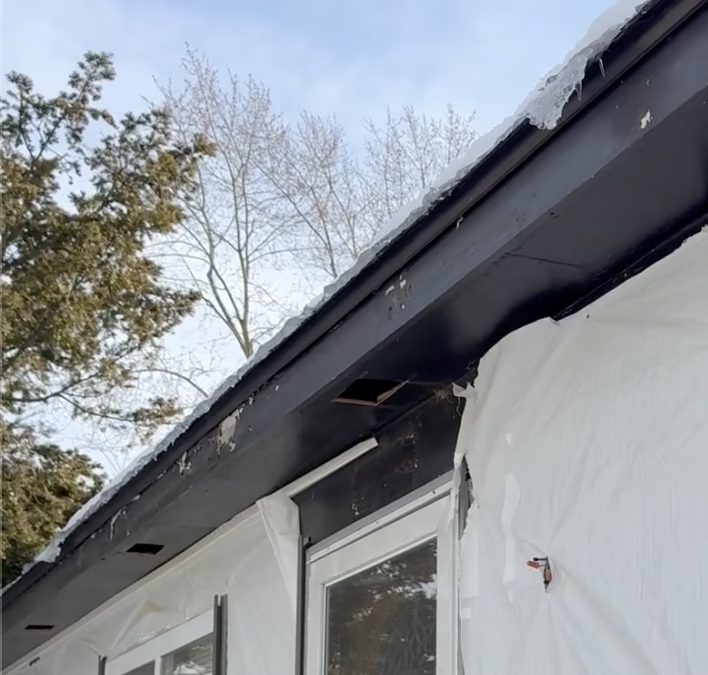
Why Intake Ventilation Matters: A Siding Discovery in Ypsilanti, Michigan
When most homeowners think about siding projects, they picture updated curb appeal, better insulation, and long‑term protection from the elements. What often goes unnoticed is what lies behind the siding and how those hidden details can affect the health of the entire home. During a recent siding project in Ypsilanti, Michigan, we were reminded just how important proper intake ventilation is. As we removed the old siding, we discovered a wood soffit with no intake vents cut in at all.
This is more common than many homeowners realize, especially in older homes or houses that have gone through multiple exterior updates over the years. While everything looked fine from the outside, the lack of intake ventilation created conditions that could lead to serious long‑term issues if left unaddressed. This project gave us a great opportunity to explain why intake ventilation matters, how it works with exhaust ventilation, and why ignoring it can lead to moisture problems, mold in the attic, and even ice dams during Michigan winters.
What Is Intake Ventilation?
Intake ventilation is the part of a home’s ventilation system that allows fresh, cooler air to enter the attic. It typically comes from soffit vents located under the eaves of the roof. These vents work together with exhaust vents — such as ridge vents or roof vents — to create a continuous flow of air. Think of attic ventilation like breathing. Intake vents pull fresh air in, while exhaust vents push warm, moist air out. Without proper intake, the system becomes unbalanced. Exhaust vents alone cannot do their job efficiently if there is no fresh air coming in to replace the air being removed.
What We Found on This Ypsilanti Siding Project
Once the old siding was removed, we uncovered a solid wood soffit with no vent openings. This meant there was little to no pathway for fresh air to enter the attic space. From the street, there were no obvious signs of a problem. The siding was in place, and everything looked normal. However, hidden issues like this can quietly affect a home for years. Without intake ventilation, warm air and moisture can become trapped in the attic.
Over time, that trapped moisture can cause damage that homeowners may not notice until it becomes costly. This is exactly why we always inspect what’s underneath before moving forward with exterior work. Siding projects are often the best time to address ventilation problems, because access is already available.
How Poor Intake Ventilation Leads to Moisture Problems
Moisture is one of the biggest threats to a home, especially in a climate like southeast Michigan where we experience cold winters, humid summers, and frequent temperature swings. Everyday activities inside the home — cooking, showering, laundry, even breathing — create moisture. That moisture naturally rises and makes its way into the attic. Without proper airflow, it has nowhere to go. When intake ventilation is missing or blocked:
- Warm, moist air becomes trapped in the attic
- Condensation can form on roof decking and framing
- Wood materials may stay damp for extended periods
- Insulation can lose effectiveness
Over time, these conditions can lead to more serious problems.
Mold Growth in the Attic
One of the most common consequences of poor attic ventilation is mold growth. Mold thrives in dark, damp environments — exactly the conditions created by trapped moisture in an under‑ventilated attic. Mold in the attic can:
- Damage roof decking and framing
- Spread to insulation
- Create musty odors inside the home
- Potentially impact indoor air quality
Many homeowners don’t realize there’s a problem until they notice staining on ceilings, a persistent odor, or discover mold during a roof replacement or inspection. By that point, remediation can be expensive. Proper intake ventilation helps keep the attic dry by constantly introducing fresh air and flushing moisture out through exhaust vents.
Intake Ventilation and Ice Dams
In Michigan winters, poor intake ventilation can also contribute to ice dams. Ice dams occur when warm air trapped in the attic causes snow on the roof to melt. The melted snow flows down to colder areas near the eaves and refreezes, creating a dam of ice. As ice builds up, water can back up underneath shingles and leak into the home, damaging ceilings, walls, and insulation. A lack of intake ventilation plays a big role in this process:
- Warm attic temperatures melt roof snow
- Uneven roof temperatures cause refreezing at the eaves
- Trapped moisture worsens insulation performance
By allowing cold, fresh air to enter through soffit vents, intake ventilation helps keep attic temperatures more consistent and reduces the risk of ice dams forming.
Why Siding Projects Are the Right Time to Fix Ventilation
Many homeowners are surprised to learn that ventilation issues are often discovered during siding or exterior projects rather than roofing jobs. When siding is removed, we gain clear access to the soffit area and can see whether vents are present, blocked, or missing altogether. Addressing intake ventilation during a siding project:
- Avoids future tear‑offs
- Improves overall attic airflow
- Protects roofing and insulation investments
- Helps prevent moisture‑related damage
It’s a practical, cost‑effective time to make improvements that benefit the entire home.
Building the Right Way
On this Ypsilanti project, identifying the lack of intake ventilation allowed us to explain the issue and ensure the home could be properly protected moving forward. Our approach is always the same: don’t just cover things up — understand how the house functions as a system. Ventilation, insulation, siding, and roofing all work together. When one component is overlooked, problems can show up elsewhere. Taking the time to do things correctly helps homeowners avoid mold issues, reduce the risk of ice dams, and extend the life of their exterior materials.
Final Thoughts
What’s behind your siding matters just as much as what you see from the curb. This siding project in Ypsilanti, Michigan was a great reminder that intake ventilation is essential for managing moisture, preventing attic mold, and protecting against ice dams. If you’re planning a siding project — or even just considering one — it’s worth making sure your home has proper intake and exhaust ventilation. Catching these issues early can save time, money, and headaches down the road. Sometimes, the most important improvements are the ones you never see — but your home feels the difference for years to come. Level Up Improvement – Intake Ventilation