


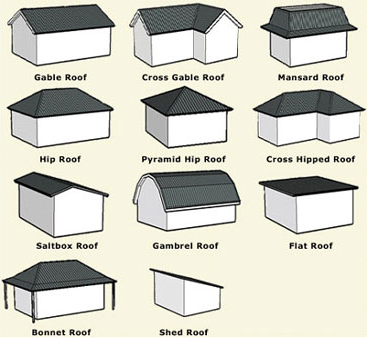
What Roof Shape Do I Have? A Guide to Roof Styles in Southeast Michigan
When you look at your home from the street, the roof is one of the first features you notice. But many homeowners aren’t sure what roof style they actually have. Knowing the shape of your roof isn’t just about curb appeal—it affects everything from energy efficiency to repair costs, and even how your home stands up to Michigan’s weather.
So, if you’ve ever wondered, “What shape of roof do I have?”—this guide will walk you through the most common roof styles in Southeast Michigan, explain their pros and cons, and help you identify your own.
Why Roof Shape Matters in Michigan
In Metro Detroit and surrounding communities like Ann Arbor, Royal Oak, Grosse Pointe, and Ferndale, our roofs face year-round challenges. Heavy snow in the winter, spring rainstorms, summer heat, and the occasional fall windstorm all put stress on roofing systems.
The shape of your roof determines:
-
How well it sheds snow and water
-
How resistant it is to wind damage
-
How much attic ventilation you can achieve
-
The overall look and resale value of your home
That’s why roofing contractors in Southeast Michigan always consider roof style when recommending shingles, ventilation, or repairs.
Common Roof Styles and Shapes
Here are the roof shapes you’re most likely to find in Michigan homes, from traditional bungalows to modern builds.
1. Gable Roof
The most recognizable roof shape is the gable roof. It has two sloping sides that form a peak, like an upside-down “V.”
Pros:
-
Excellent at shedding snow and rain
-
Affordable and simple to build
-
Allows for attic ventilation
Cons:
-
More vulnerable to wind uplift
-
May need reinforcement in high-wind areas
Common in: Detroit suburbs with Cape Cod, ranch, and colonial homes.
2. Hip Roof
A hip roof has four sloping sides, all meeting at the top. It’s sturdier against wind than a gable roof.
Pros:
-
Strong and stable in high winds
-
Provides shade around the home
-
Adds curb appeal
Cons:
-
More complex and expensive to build
-
Can have limited attic space
Common in: Royal Oak, Birmingham, and newer suburban developments.
3. Mansard Roof
The mansard roof, also called a French roof, has four sides with two slopes per side. The lower slope is steeper than the upper.
Pros:
-
Creates extra attic or living space
-
Elegant, historic appearance
-
Flexible for future additions
Cons:
-
More costly to install and repair
-
Heavy snow can stress the lower slope
Common in: Historic homes in Ann Arbor and downtown Detroit.
4. Gambrel Roof
Similar to the mansard, the gambrel roof has two slopes on each side, but it only has two sides. It’s the classic barn-style roof.
Pros:
-
Provides plenty of attic or storage space
-
Traditional, rustic look
-
Good water drainage
Cons:
-
More prone to wind damage
-
Requires regular maintenance
Common in: Farmhouses and rural homes around Washtenaw and Livingston counties.
5. Flat Roof
Despite the name, a flat roof has a very slight slope to allow water drainage.
Pros:
-
Modern appearance
-
Can be used as rooftop space
-
Easier to build and repair
Cons:
-
Prone to drainage issues if not maintained
-
Shorter lifespan than pitched roofs
Common in: Detroit city lofts, commercial buildings, and some modern Ann Arbor homes.
6. Butterfly Roof
This dramatic style features two roof surfaces that slope inward to meet in the middle, resembling butterfly wings.
Pros:
-
Unique, modern curb appeal
-
Allows for larger windows and more natural light
-
Can be eco-friendly with rainwater collection
Cons:
-
Expensive to design and build
-
Prone to water pooling without proper drainage
Common in: Custom homes in upscale Southeast Michigan neighborhoods.
7. Saltbox Roof
A saltbox roof is asymmetrical, with one long slope and one shorter slope.
Pros:
-
Distinctive colonial charm
-
Good for snowy climates
-
Adds character to older homes
Cons:
-
Uneven ceilings inside
-
Complex construction
Common in: Historic homes throughout Michigan.
How to Tell What Shape of Roof You Have
Now that you know the common types, here’s how to identify yours:
-
Step outside and look at the slopes. Do they meet at a peak or slope in four directions?
-
Count the sides. Two sloping sides often mean gable or gambrel, while four may mean hip or mansard.
-
Check the pitch. Steep lower slopes suggest mansard or gambrel roofs.
-
Look at symmetry. Is one side longer? You may have a saltbox.
-
Notice flat or modern designs. These often point to flat or butterfly roofs.
If you’re unsure, a local roofing contractor can quickly tell you the style and condition of your roof.
Best Roof Shapes for Southeast Michigan Weather
Because Michigan sees heavy snow, ice, and rain, roof performance is just as important as appearance.
-
Gable roofs are popular for affordability and snow shedding, but need reinforcement for high winds.
-
Hip roofs are ideal for wind resistance, making them a great fit for storm-prone areas.
-
Mansard and gambrel roofs look beautiful but require strong construction to handle snow loads.
-
Flat roofs work best for commercial and modern homes but demand regular drainage maintenance.
Roof Shape and Resale Value in Metro Detroit
Curb appeal sells homes. Buyers in Southeast Michigan often look for rooflines that complement the home’s architecture. A well-maintained gable or hip roof blends with traditional neighborhoods, while flat or butterfly roofs stand out in modern builds.
Additionally, the shape of your roof can impact energy efficiency. Roofs with proper slopes and ventilation help reduce heating costs in Michigan’s cold winters.
What Shape of Roof Do I Have? (And Why It Matters)
If you’re asking this question, you’re already ahead of the game. Understanding your roof style helps you:
-
Communicate with roofing contractors
-
Plan repairs and replacements more effectively
-
Improve energy efficiency and ventilation
-
Boost curb appeal and property value
Whether you live in Ann Arbor, Detroit, Grosse Pointe, or Livonia, knowing your roof shape is the first step in protecting your investment.
Final Thoughts: Choose the Right Roofing Partner
If you’re not sure about your roof style or its condition, the best step is to call a trusted local roofer. At Level Up Improvement, we work with all roof shapes and materials across Southeast Michigan. Whether you have a classic gable roof, a historic mansard, or a modern flat roof, we’ll make sure it’s built to handle Michigan’s tough weather.
Your roof is more than just a cover—it’s a key part of your home’s protection, style, and value. So the next time you wonder, “What shape of roof do I have?”, remember: identifying it is the first step toward keeping it strong for years to come.
Check out our recent blog post about Attic Baffles and Ventilation.